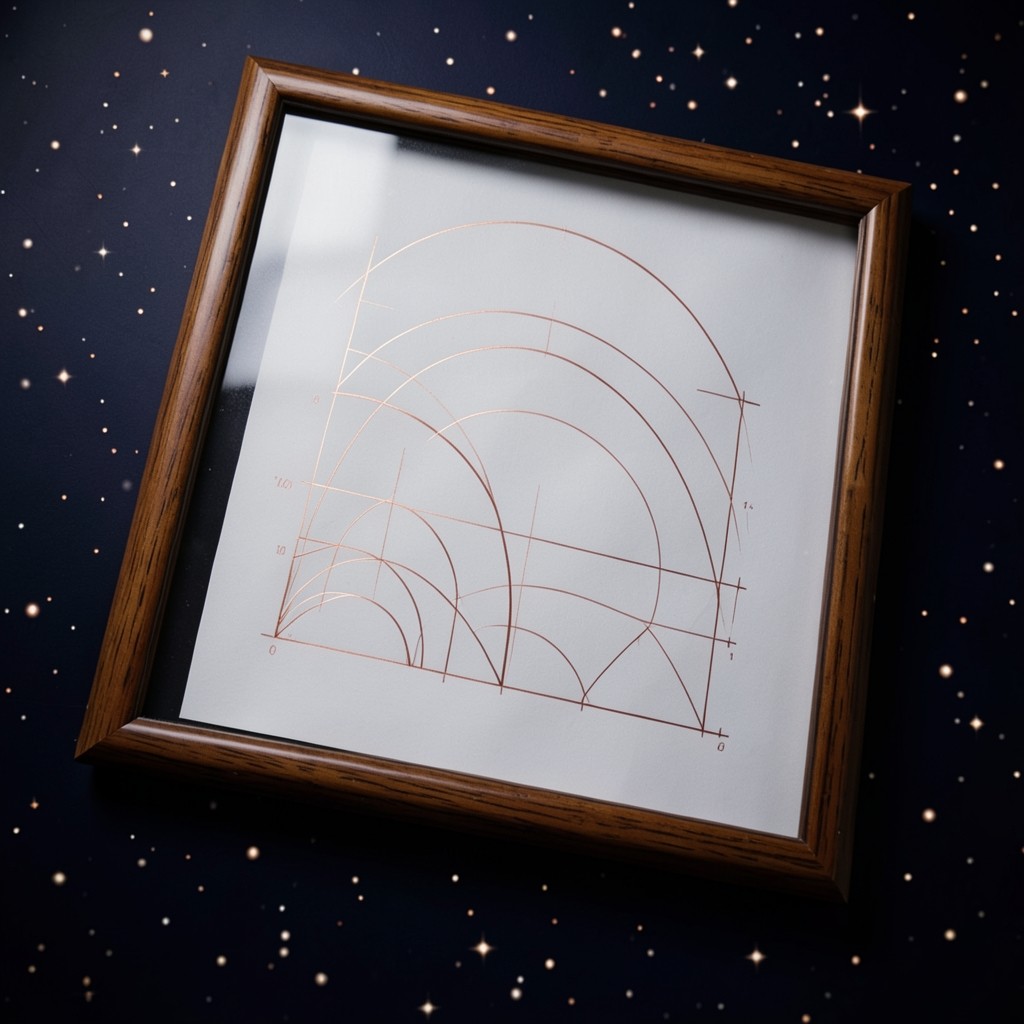
Chart desks fill up quickly when every Fibonacci tool stays active. Annotation clinics at Cortex Helix Field Academy teach a stricter rule: a ratio stays on the page only if it constrains a labeled wave relationship.
For impulse structures, prioritize the common retracement zone of wave two against wave one, and the extension region where wave three often stretches. Wave four retracements matter when they threaten overlap with wave one — that is a structural test, not decoration.
Corrective patterns need different marks. A zigzag’s wave B often sits near a measured retracement of A; a flat’s B may travel farther. Triangles ask for boundary lines more than stacked ratio fans.
If a Fibonacci line does not touch a labeled pivot or a degree boundary you already inked, remove it. Clean margins make instructor review faster and leave room for alternate counts.
Practice this filter on a single instrument for two weeks. Most participants cut their overlay noise by half and gain clearer conversations at the clinic table.