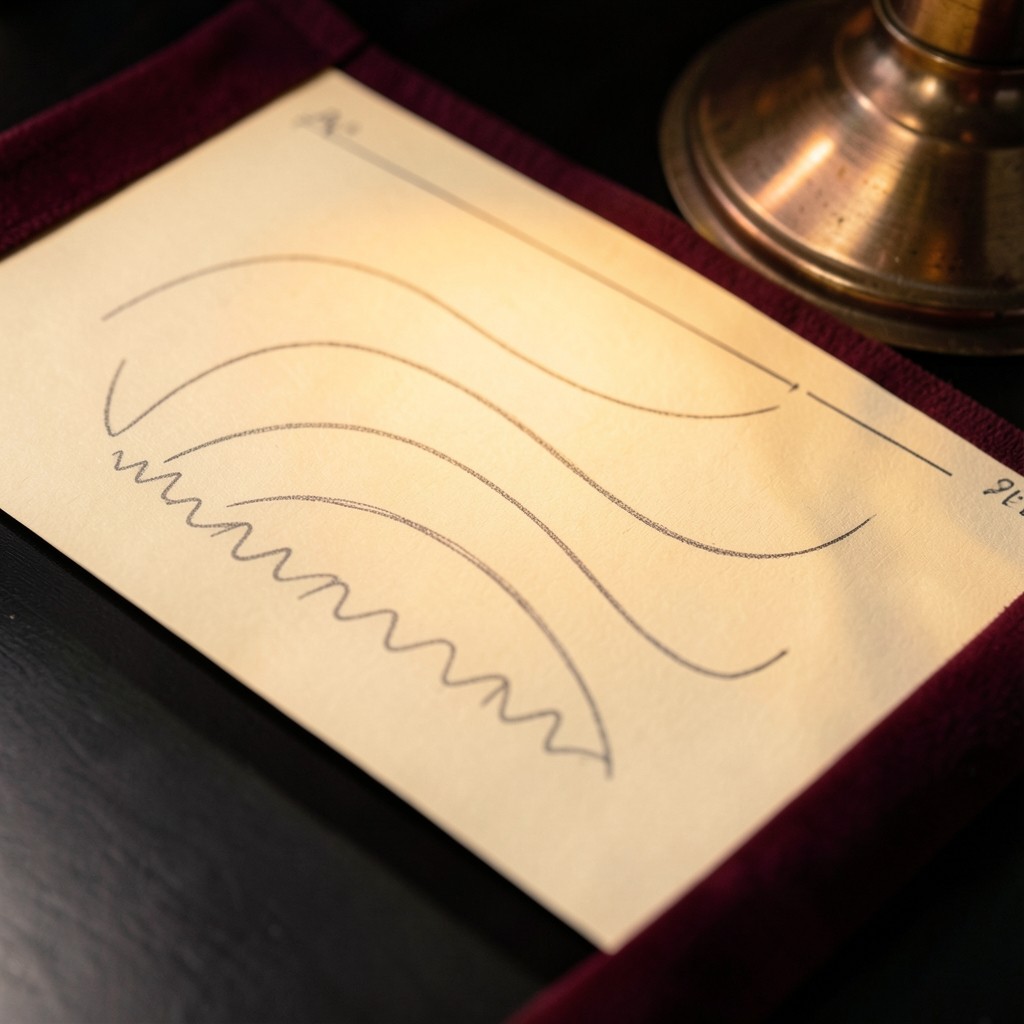
In annotation clinics we see the same habit week after week: a trader decides the move must be an impulse, then invents a fifth wave to close the count. The chart looks finished. The logic does not hold under the next expansion of price.
Start by asking whether the segment is even the right degree. A channel that looks impulsive on a daily chart may be a corrective three when viewed against the weekly structure. Before you write 1–2–3–4–5, mark the larger degree boundaries in a quieter ink so the nested work has rails to lean on.
Next, test wave two and wave four for depth and character. If wave two is shallow and wave four is deep and overlapping, you may be forcing an impulse onto a corrective advance. Clinics treat that as a labeling error, not a market prediction error.
When the five will not close cleanly, write the alternate count in the margin rather than erasing the primary attempt. Alternates keep you honest when Monday’s bar invalidates Friday’s neat labels.
Bring two candidate counts to your next clinic table. Instructors score the annotation craft — clarity of degree marks, Fibonacci discipline, and willingness to leave a contested segment unmarked — more than they score directional conviction.